The Vision Quest by Paul Hinsberger
The Vision Quest is an Ancient tradition found in many cultures around the world. Most native cultures embrace some sort of sojourn in the wilderness as one of the most universal ways to gain spiritual guidance, to understand ones life purpose, to gain clarity about one’s future direction and also as a rite of passage to adulthood.
For those who lived in earth-based societies, a Quest was an engaging, spiritual experience that joined both internal and external forces. It was often a challenging physical and emotional test.
The experience was deeply rooted and based on the earth they walked on, the sky above them, and the beauty of nature that permeated every waking moment in their life. The Quest brought Great Spirit into the Life of the Questor, doing so in a deeply personal manner.
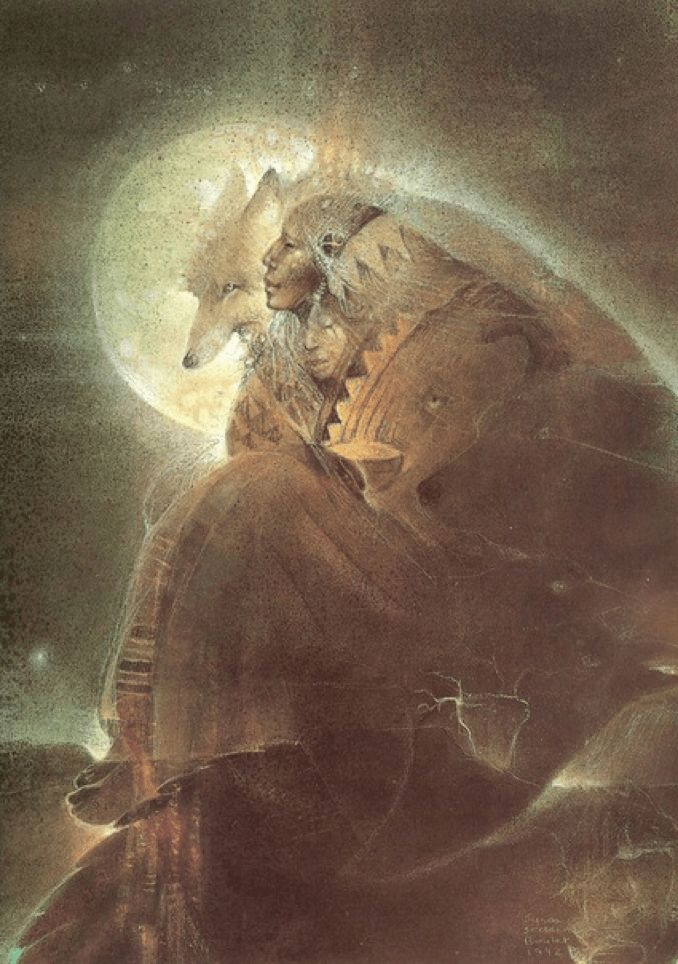
Hence, a life long, relationship was formed with Great Spirit and other forces (namely Ancestral Spirits and Power Animals) that would remain with them for the duration of their Earth walk. In some cultures, their adult name was also given.
For the indigenous people, though life was seen as one long, mystical sojourn in which the Creator spoke to through every sunrise and every evening breeze, taking the time alone in nature allowed the Questor to hear and “become one” with these messages in a deeper way.
People in native cultures knew these messages and signs from the spiritual realms were constantly surrounded them, and the Vision Quest granted them deeper and more profound, personal access to the Great Mystery and added to their sense of wonder that existed at the core of their life.
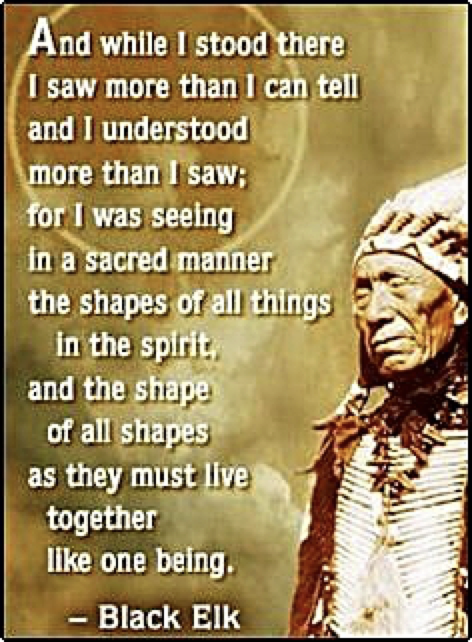
Chief Crazy Horse said in 1850, “A very good vision is needed for life, and the man who has it must follow it—as the eagle seeks the deepest blue of the sky.”
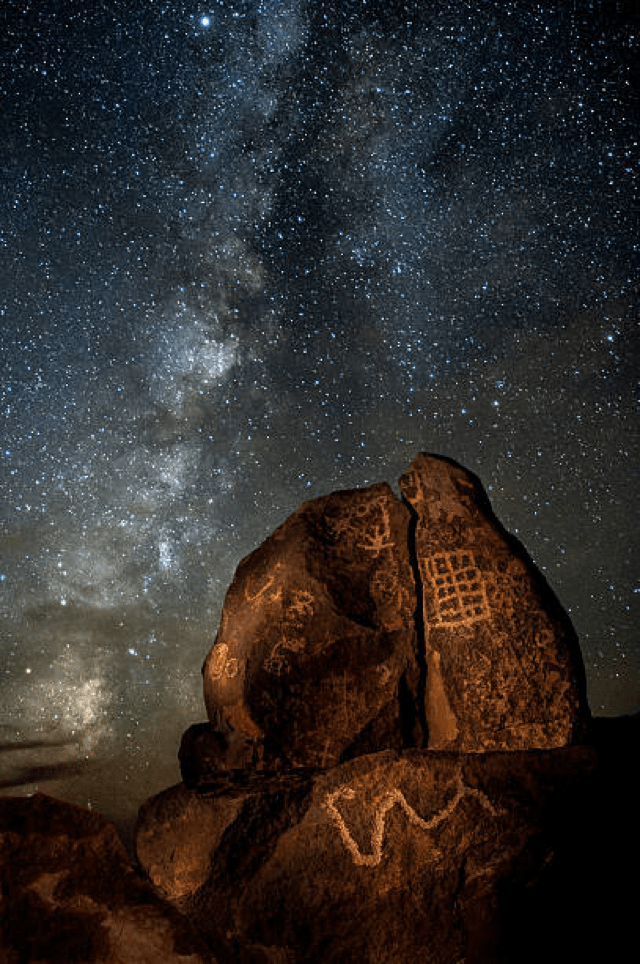
From biblical prophets who walked alone into the desert to fast and pray for divine revelation to tribal people setting out into the wilderness to search for a vision, the pursuit of an inner world—a world beyond everyday physical reality—is one of humankind’s oldest quests.
For thousands of years, the primary task in life within many indigenous cultures, was about developing a relationship of appreciation, gratitude, and respect with this Unknown. Creating, nurturing and sustaining this relationship led to a sense of belonging and understanding how one was a part of the universe and brought the strong sense of having a home. This resulted in deep feelings of peace, and a feeling of wonder, purpose and a connection with all parts of creation.
The importance of these practices are just as important and valid in our would today. Going on a Quest is a powerful way to reinvent yourself and reclaim a sense of wonder and connection to the earth, above and also within.
Types of Quests…The Pilgrimage, the Night Vigil and the Vision Quest
There is an old story told about a proper English anthropologist who was traveling through a distant land interviewing and studying native people. One night while camped between villages, he heard drumming deep in the woods. Intrigued, he set down his cup of tea and headed in the direction of the drum. He came upon a clearing where a man was drumming and dancing around a fire. The man chanted and sang, put down the drum, picked up rattles, and continued his ecstatic movements around the fire. After about an hour of continuous dancing, drumming, and rattling, the man sat down to rest.
The anthropologist approached and said politely, “Sir, I have been admiring your ritual. You must tell me what it’s all about. Why are you here all alone, dancing, drumming, rattling, chanting? What does it all mean?” The native looked at him, puzzled, and asked, “What do you mean ‘all alone’?” Back to square one for the Englishman; he lacked the perspective of indigenous people, such as the Dakota Sioux, who teach their children that there is no such thing as complete solitude. Wherever we go we are surrounded by life—conscious, responsive, and communicative. Spiritual activity—even in the apparently isolated wilds of nature—is never truly “alone,” for the so-called wilderness is densely peopled with spirits. By spending time “alone with the spirits” a Shaman receives wisdom.
Part of our spiritual practice should be to spend periods of time in the solitude of nature. We each need this, especially people who live in congested and heavily populated urban environments, but even practitioners living in the country will need to get away from their usual routines, family, and friends to be alone with the spirits.
<><><>
There are three ways to seek this wisdom-time: Pilgrimages, Night Vigils, and Vision Quests.
PILGRIMAGE
The word pilgrimage implies a sacred nature in this kind of activity.
Historically, a pilgrimage involved travel to destinations considered holy, such as to temples, churches, and shrines, or a physical journey to natural settings that is considered sacred for a special reason.
Natural destinations, such as springs or wells, might be places where miraculous healing occurs, or a place where an important event happened, such as the site noted where one can discover enlightenment or perhaps a noted Deity or Saint died.
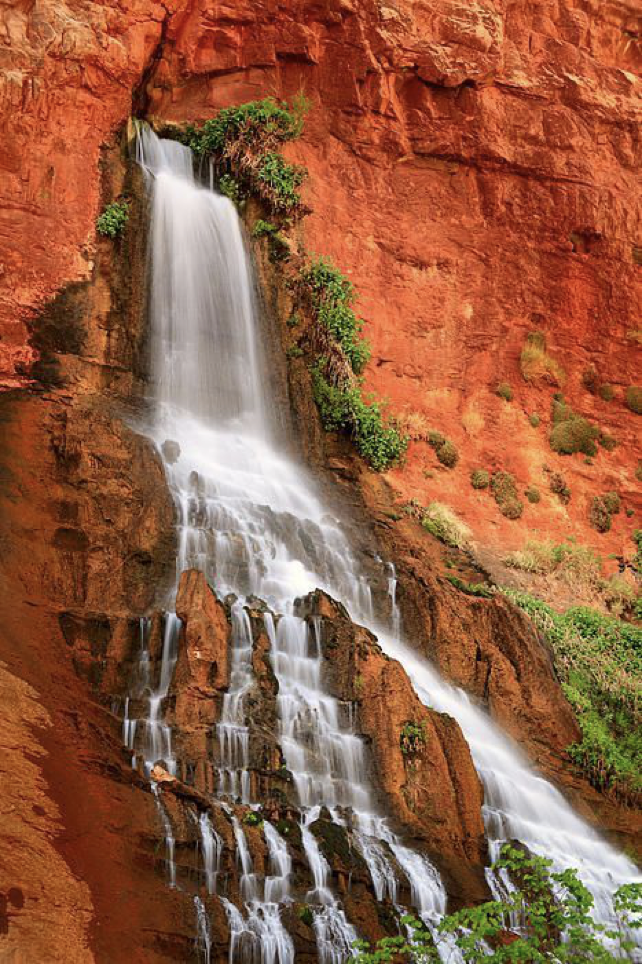
For the Shamanic Practitioner, the pilgrimage to a sacred place in nature can be as easy as a few hours’ hike to a waterfall or grove of trees where you have ongoing relationships with the spirits or where you go to perform simple rituals. We should not dismiss the one-day hike as a form of spiritual practice.
Even a hike along an unfamiliar woodland trail or through a state park you have never yet explored can be done in the spirit of pilgrimage, to spend time closer to nature than you ordinarily do in your daily life, to seek instruction and wisdom from the spirits of that place or from your own spirits who accompany you on the trek.
Physical activities such as hiking, camping, rock climbing, or canoeing takes us outdoors into the natural
world. Through our physical exertion, We show Spirit that how serious we take our practice, and the “little” sufferings that may occur along the way— fatigue, thirst, sweat, blisters, scratches, and bites—are signs of our commitment to know nature and her forces in a physical way. Shaman Igjugarjuk of the Inuit people says: “True wisdom can only to be found far away from people, out in the great solitude. It is through suffering that wisdom comes.”

NIGHT VIGIL
The night vigil has a long and honored place in spiritual practices. You spend the night— awake—in a prayerful attitude in a chapel, sanctuary, graveyard, or at home. Even if the mind cannot stay focused on prayer all night, the physical act of keeping watch through the midnight hours is spiritually worthwhile.
As Shamanic Practitioners, we can undertake a night vigil at home or in a place outdoors we consider a sacred site. Spending a night awake, praying or drumming in a power spot, is an ideal way to bless the site and make it your own.
As an option, you may fast the day before a vigil—consuming only liquids—until you break your fast the next morning, following the Vigil.
Arrive at the site sometime before sunset, preferably early in the day to take full advantage of your time there. Collect firewood if you intend to have a fire, although you might not want to tend the fire during the Vigil, preferring instead to free your spirit and give 100% of your attention for your night watch.
However, you may find the company of Fire Spirits comforting and instructive and this gives you an opportunity to build or further strengthen your relationship with them.
Make a commitment to stay awake from Sunset to Sunrise. However, if you should fall asleep, do not criticize yourself or consider the vigil a failure.
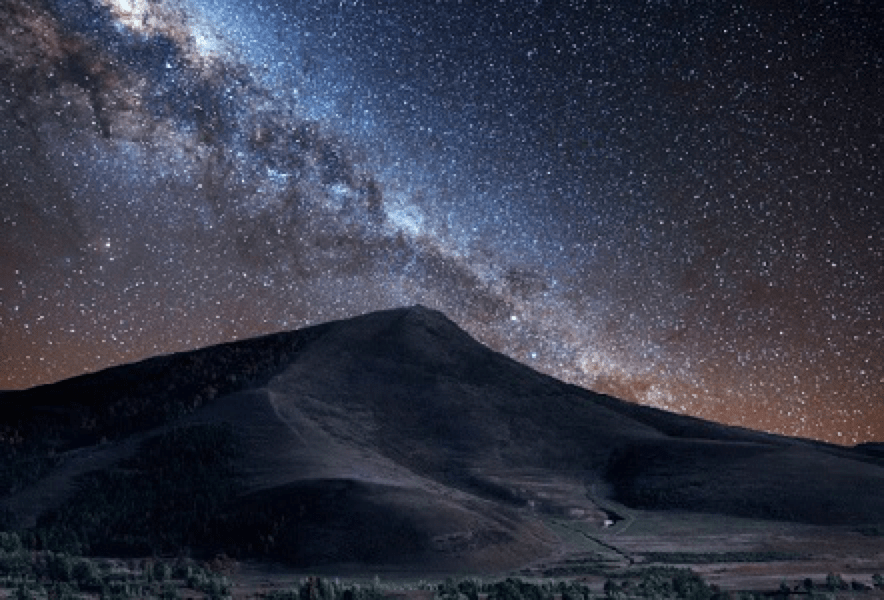
Not everyone can stay awake the full night, and it’s quite possible Spirit will fill your sleep with dreams that can teach and empower you. There is also a teaching that occurs should you fall asleep, a teaching about our weakness, our bodily needs, or our need to try again. No effort is wasted—if the intentions are pure.
The Vision Quest
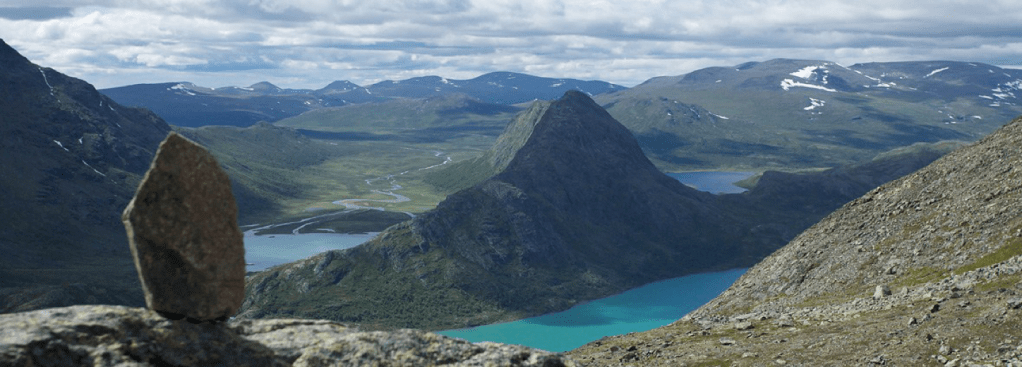
A Vision Quest is a longer stay, often three to four days, in the solitary places of nature. In some cultures the seeker remains awake in a seated position—sometimes naked and fasting— while they perform simple rituals and say certain prayers, calling out to their Guides and Power Animal and Great Spirit to send a powerful vision that will transform his or her life.
With the inner calling of Shamanic curiosity, take it upon yourself to investigate the various ways a Vision Quest can be done, and select the features that appeal to you. Journey on this: ask your Guides how to plan a Vision Quest that suits your purposes.
There is no single right way to seek a vision. A sleeping bag can substitute for a blanket, a bottle of water can be taken for drinking, insect repellent can be used. It is up to you and your spirit instructors to decide what should and should not be taken along, keeping in mind that we all come to this practice with different needs and expectations.
We are also at different levels of spiritual and physical development, so what is right for one person may not be for someone else. However, you will want to leave as much “stuff” behind as possible. Your cell phone, reading materials, your journal and pen, portable music players, clothing and other supplies that are crutches—the things we think we can not live without— leave them at home. One of the goals of the Vision Quest is to teach us that we can survive without our security blankets. It is only you, your Soul and the test and the Gifts that await!
For those of us engaged in Shamanic Practice, an outdoor Vision Quest can instill an even stronger understanding of how intricately nature and human life are interconnected, for here we come to not only realize—but experience—the understanding that the spiritual life of nature is not separate from our own.
When we are engaged on the Shamanic Path, we enter a Life filled with Unlimited Possibilities. Dare to See and Experience beyond that of the limited vision of the socially restricted man.
 Svatantrya Bhairava Shamanism